

Why Great Photography is One of Your Most Valuable Marketing Assets
You have a great product. You know it. Your customers know it. But when it’s time to pitch a story to an editor, launch a social campaign, or put together a trade show booth, you reach for an image, and there’s nothing worth using. It happens more often than it should.
Polished photos are essential for favorable coverage, especially for manufacturers whose products move through the distribution channel and ultimately end up in someone’s home or commercial building. Once the product leaves your hands, it’s easy to lose track of where it ends up and what it becomes. As a result, the finished product — often beautiful — never makes it into your marketing arsenal.
That’s a missed opportunity.
Your Product Has a Story — Photography Tells It
Many manufacturers make exceptional products that never get the visual credit they deserve. An unfinished wood component becomes a custom-built-in. A structural element disappears inside a stunning lobby or inside a wall. A millwork detail defines the character of an entire room. The end result is worth capturing — and in many cases, it’s exactly the kind of imagery that resonates with buyers, specifiers, architects, designers, and the media.
“Quality visual assets are indispensable in communicating a firm’s approach and story as designers and problem solvers,” said Aaron Locke, owner of Aaron Locke Photography. “Words just aren’t enough, and those who understand and invest in the value of great photography are much more easily able to communicate their purpose to potential clients.”
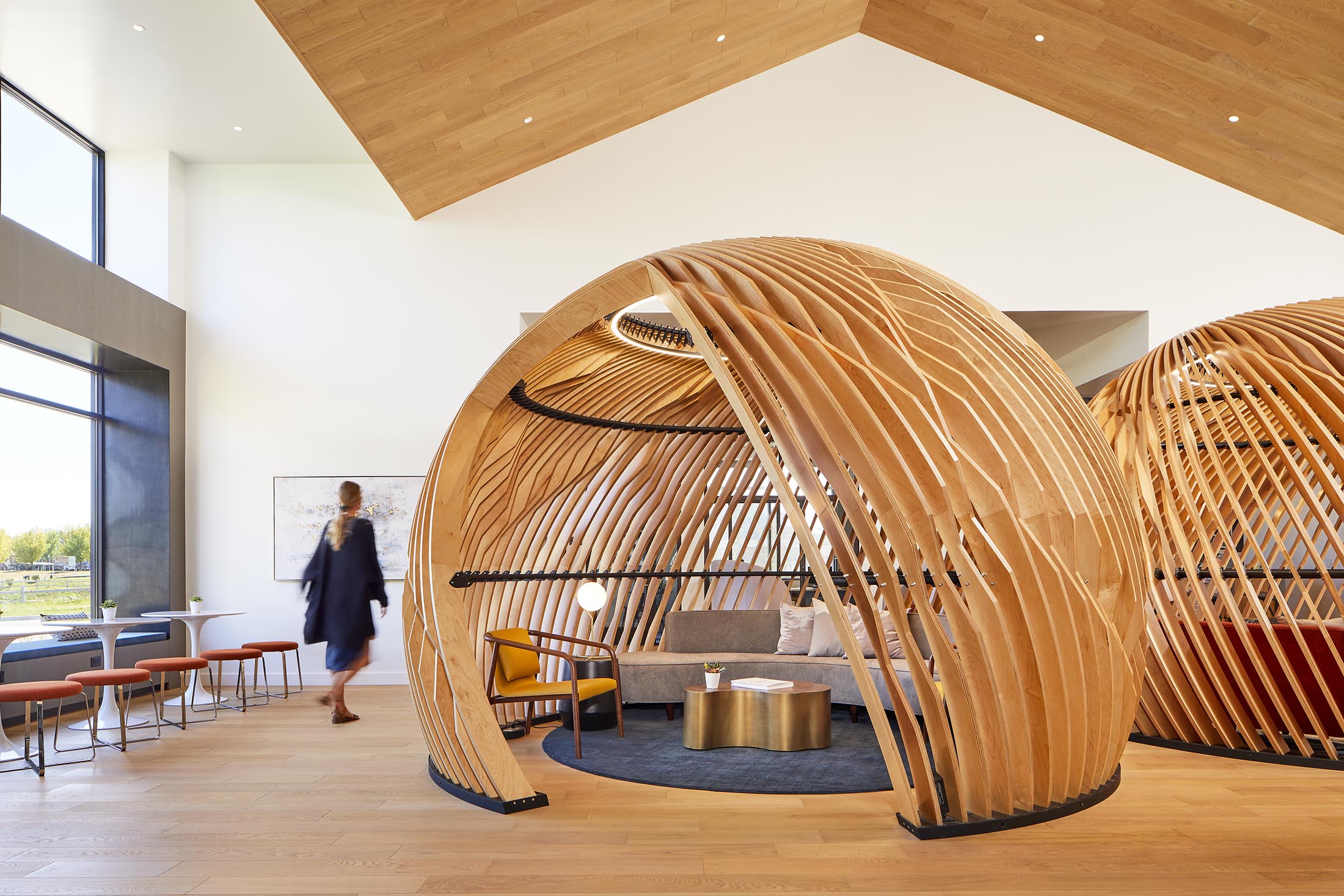
Lifestyle and application photography show your product in context. It moves the conversation from “here’s what it is” to “here’s what it can become.” That shift is powerful, and it starts with having the right images on file.
Build a Photo Bank Before You Need It
The best time to invest in photography is before there’s an imminent need or deadline. Whether it’s for your product literature, website, or for an editor request, time is of the essence.
You won’t upload pixelated, low-resolution images to your website or brochure, any more than editors will wait for your images to meet a publishing deadline; they’ll move on. If you’re scrambling to find something usable, you’ve already lost ground.
A strong photo bank should include a range of assets:
- Product shots on clean, neutral backgrounds
- Installed and applied shots in both residential and commercial settings
- Detail and texture photography that showcases craftsmanship
- Images that provide scale and context.
The goal is to have something on file for every situation, because you never know which opportunity or need will come next.
Think of your photo bank the way you think about inventory. You wouldn’t run out of product. Don’t run out of images.
Pro Photographer vs. Phone — Know the Difference
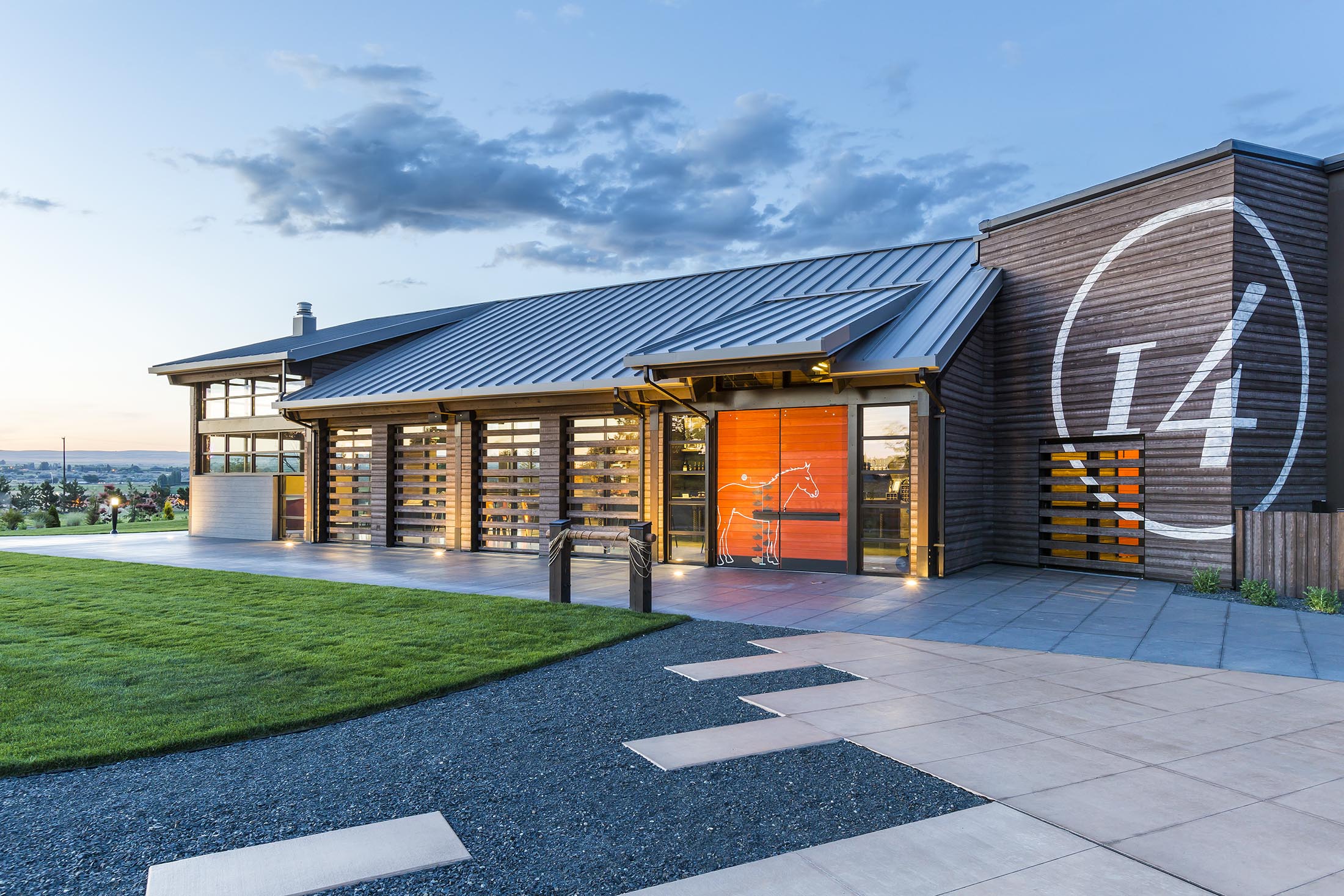
Both have a place in your marketing mix. But they serve very different purposes, and knowing the differences is critical.
When to hire a professional:
New product launches. Media pitches. Trade show graphics. Website hero images. Sell sheets.
Any time your work is going in front of an editor, art director, or designer, hire a pro. The people who lay out magazines and design industry publications are trained eyes. They evaluate imagery the moment it lands in their inbox, and a subpar photo can sink an otherwise compelling story pitch. Professional photography is what gets you into print (or digital). It’s what earns you editorial coverage and gives your brand the visual credibility it deserves.
When your phone will do the job:
Social posts. Instagram Stories. Reels. Behind-the-scenes content. Job site progress shots.
Anything meant to feel immediate, authentic, and in the moment. These are your workhorses — they keep your channels active, your audience engaged, and your brand visible between the bigger campaign moments. They don’t need to be perfect. They need to be real.
The rule of thumb is straightforward: if it’s going in front of an art director or editor, hire a pro. If it’s going live on social in the next 24 hours, your phone will serve you well.
Photography Fuels Your Entire Marketing Program
Strong imagery doesn’t live in one place. It powers everything — social media posts, blog content, media pitches, trade show displays, sell sheets, presentations, email campaigns, and your website. A single well-planned professional shoot can produce content that fuels months of marketing activity across multiple channels.
That’s a strong return on a single investment. When you layer in phone photography to capture day-to-day moments and keep your social presence active, you have a system that works at every level.
Working Through the Distribution Channel — Be Proactive
For manufacturers who sell through distribution, tracking down finished project photography takes extra effort. Your product changes hands multiple times before it’s installed, and by the time a beautiful home or commercial space is complete, you may not even know it includes your work, let alone made the specification.
That’s why it pays to be proactive. Build relationships with your dealers, distributors, and contractors. Make it easy — and appealing — for them to send you photos when a project wraps up. Follow up. Ask questions. Create a simple process for capturing completed work before the next project begins, and access is gone. Those installed shots are often the most compelling images in your entire library, and they’re worth the effort to get.
💡 Pro Tip: For completed projects, architects (and custom builders) often contract with a professional photographer, and you can purchase images directly from the photographer (or the architecture firm).
What Good Product Photography Looks Like
Before you hire a photographer, it’s worth thinking through what you actually need. Brief your photographer on the audience: are these images for editorial, social, advertising, or a sell sheet? Each has different requirements (and costs). Think about lighting, staging, and setting. Consider whether you want people in the shots or a clean architectural look. Talk through the range of images you need from a single shoot to maximize time and investment.
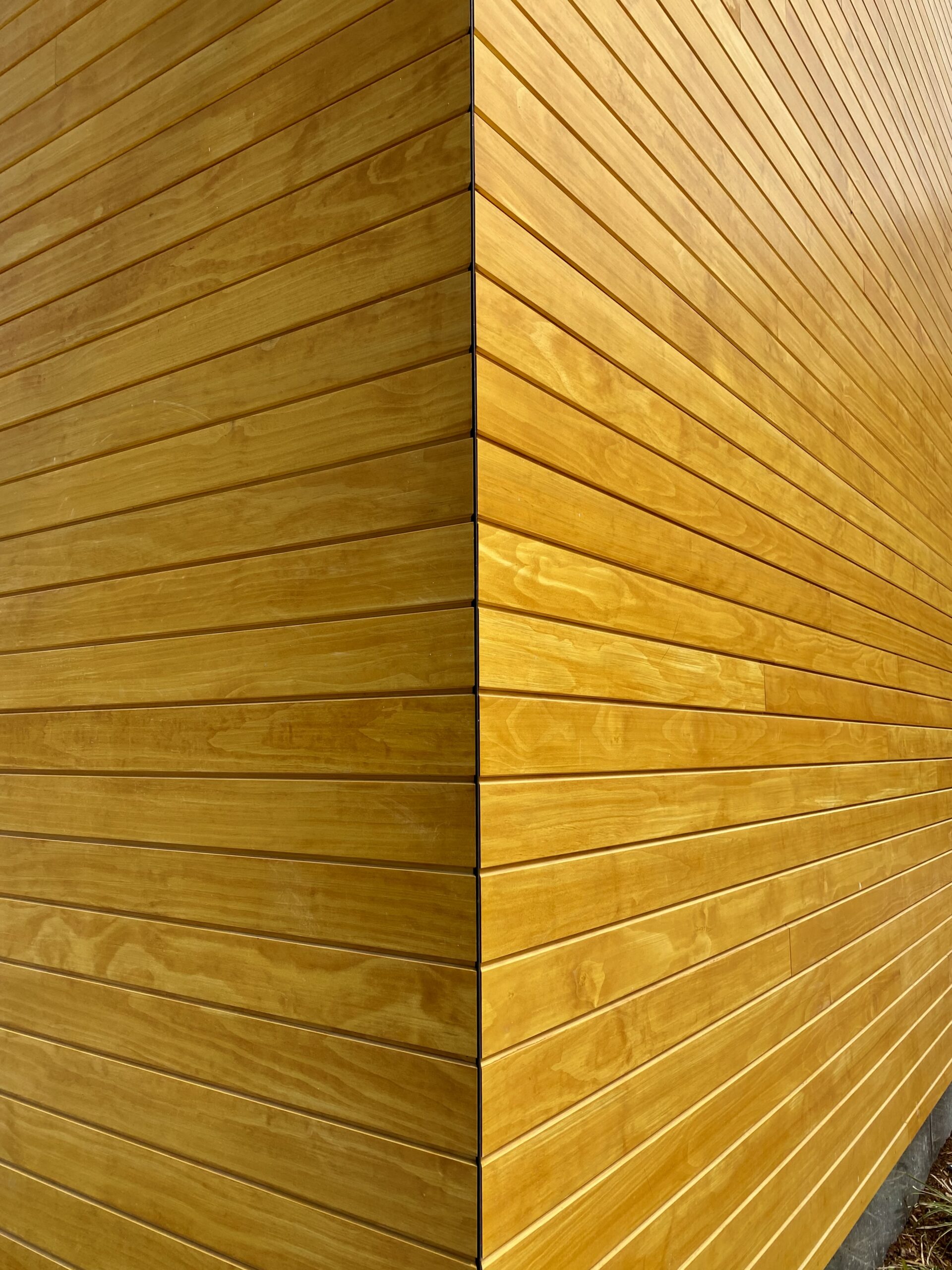
“A favorite part of the process is that initial discussion about what the project or product is and what makes it special and unique (or “why" it was designed),” said Locke. “Those words and descriptions from the client help shape how it should be photographed and seen.”
And when the images come back, evaluate them through the lens of your audience. Would an editor at a trade publication use this? Would a designer pin this? Would a contractor share it? If the answer is yes, you’ve done it right.
Start Building Your Photo Bank Now
Photography is not a nice-to-have. It is one of the most essential tools in your marketing toolkit — and the brands that consistently show up with strong, professional imagery earn editorial coverage, win over trade audiences, and build lasting visual recognition in the market.
“Reaching out to a photographer shouldn’t be an anxious event,” said Locke. “A professional photographer is eager to understand your needs and vision and is happy to ask questions, ensuring the process produces successful imagery.”
If your image library isn’t where it needs to be, now is the time to change that. At Collons Communications, we help manufacturers in the built environment develop marketing strategies that work — including building the visual assets that bring those strategies to life.
Let’s talk.
Copyright © 2026 Aaron Locke Photography. All rights reserved.